
Dental implants have revolutionized tooth replacement, offering a durable, natural-looking solution for missing teeth. However, many patients wonder about the specific care required for dental implants, particularly when it comes to flossing. This comprehensive guide will delve into the importance of flossing with dental implants and provide valuable tips to maintain optimal oral health.
Why Flossing is Crucial for Implant Health?
Like natural teeth, dental implants require diligent oral hygiene to prevent gum disease and maintain long-lasting health. Flossing is essential to this routine, as it removes food particles and plaque from areas that a toothbrush can’t reach.
How to Floss with Dental Implants
While the technique may differ slightly from traditional flossing, it’s relatively straightforward and easy to master:
Choose the Right Floss:
-
- Dental Floss: Traditional dental floss can effectively clean around implants, especially for those with wider gaps.
- Dental Tape: This thicker floss is ideal for cleaning between tighter spaces.
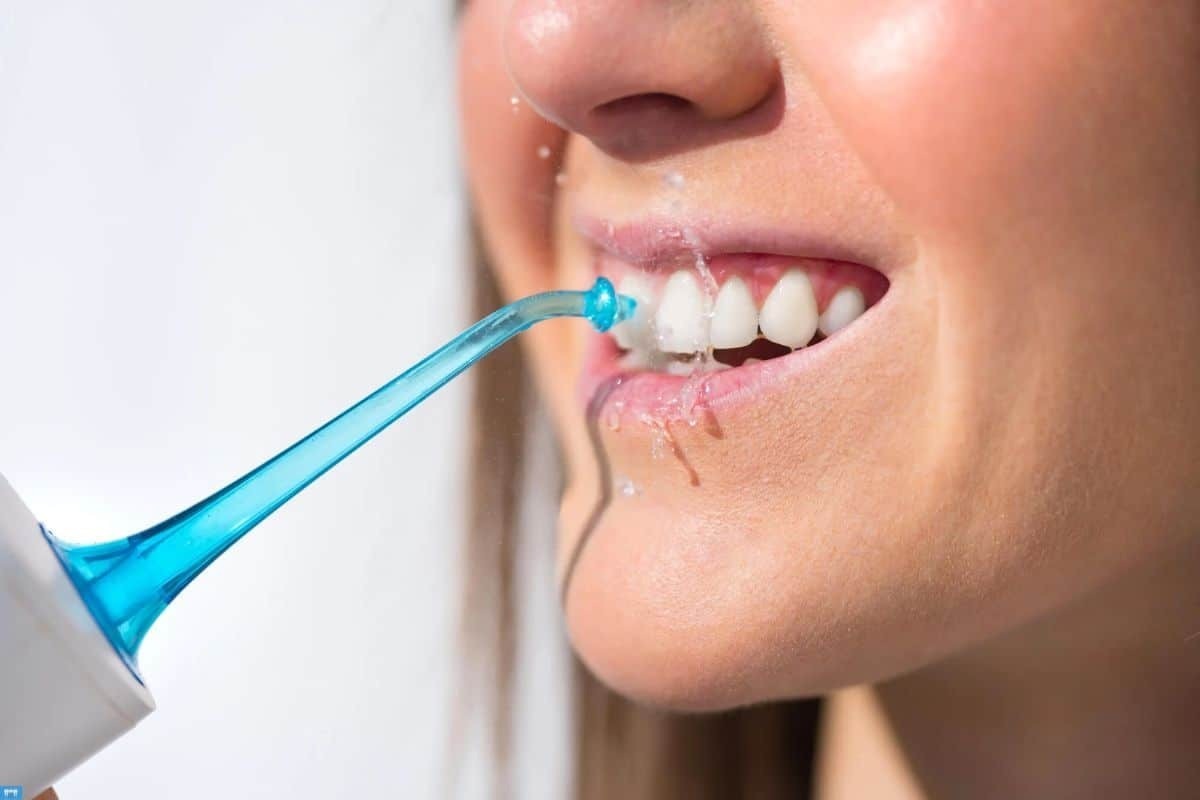
- Water Flosser: A water flosser can be a convenient and practical option, especially for those with dexterity issues or bridgework. It’s a gentle and effective way to clean around your implants, providing peace of mind and comfort.
Gentle Flossing Technique:
-
- Thread the Floss: Carefully thread the floss between your teeth and the implant.
- Curve the Floss: Gently curve the floss around the implant, creating a “C” shape.
- Gently Clean: Use a gentle back-and-forth motion to remove plaque and food particles. Start from the top of the implant, move the floss down to the gum line, and then back up. Repeat this motion a few times to ensure thorough cleaning.
- Avoid Excessive Force: Avoid applying too much pressure, as this could damage the gum tissue.

Additional Tips for Implant Care
- Regular Dental Check-ups: Schedule regular dental check-ups to monitor the health of your implants and address any potential issues.
- Professional Cleaning: Professional dental cleanings can help remove plaque and tartar buildup, especially in hard-to-reach areas.
- Avoid Harmful Habits: Refrain from smoking, excessive alcohol consumption, and hard chewing habits to protect your implants.
- Use a Soft-Bristled Toothbrush: A soft-bristled toothbrush can help prevent gum irritation and damage to the implant.
The Benefits of Good Oral Hygiene for Implant Health
Maintaining optimal oral hygiene for dental implants offers several benefits:
- Longevity: Proper care can significantly extend the lifespan of your implants.
- Prevention of Gum Disease: Regular flossing and brushing help prevent gum inflammation and infection.
- Natural-Looking Smile: Healthy gums and surrounding tissues create a more aesthetically pleasing smile.
- Improved Overall Health: Oral health is linked to overall systemic health. By taking care of your implants, you’re also promoting your overall well-being.
Conclusion
Flossing with dental implants is essential for maintaining optimal oral health and ensuring the longevity of your investment. Following the tips outlined in this guide, you can keep your implants clean, healthy, and beautiful for years.
Contact BA Dentist Today
If you have questions about dental implants or need expert care, reach out to BA Dentist in Broken Arrow. Our experienced team is dedicated to providing top-quality dental services, including implant placement and aftercare.